The Changing Landscape of Cocoa Sourcing: Part 4 | #PodSaveChocolate Ep 155

#PodSaveChocolate Episode 155 is the concluding part of this series, which examines challenges specialty chocolate makers face when assessing their bean suppliers’ claims for transparency, sustainability, corporate ownership, etc. [Updated with summaries before the episode went live and after.]
When and Where to Watch
Links below to watch LIVE and to view the archived episode.

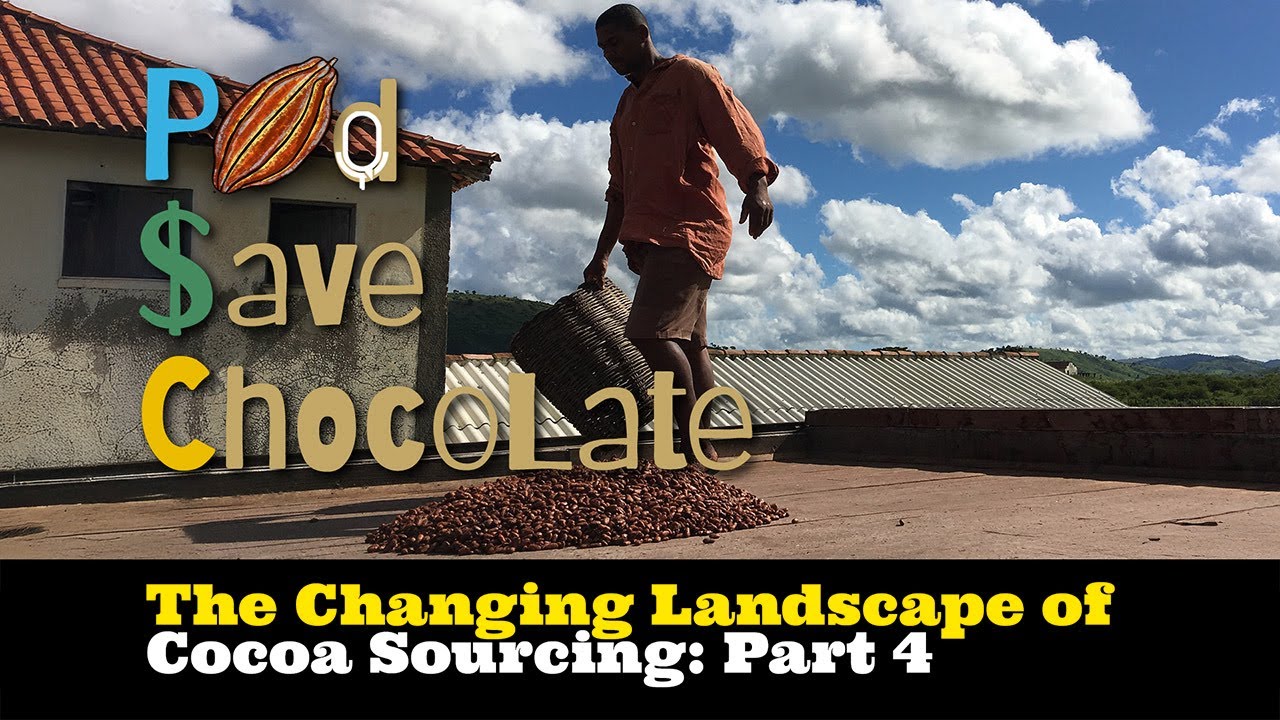
Click on this (shareable) link to watch on YouTube. Please subscribe (free!) to the @PodSaveChocolate YouTube channel, like this video, comment, and share this episode to help grow the #PSC community.

Watch and comment LIVE or view the archived episode on LinkedIn. Join my network on LinkedIn to receive notifications and to refer business to each other.

Watch and comment LIVE or view the archived episode on TheChocolateLife page on Facebook (for 30 days, then watch the archive on YouTube).
Follow TheChocolateLife on Facebook to receive notifications and catch up on other content.
Episode 155
This episode of #PodSaveChocolate presents a summary of the first three parts of the series, followed by an exploration into how difficult it can actually be to understand the relationship(s) between a supplier and a corporate parent/investors, how changes in what is reported and how it is reported can make it even more challenging, and how to assess suppliers’ claims made on their websites and in their transparency reports.
TL;DR? Be diligent. Be persistent. Be Skeptical.
The Series So Far
To prepare for the podcast, I suggest reading the three posts that precede this livestream.
 Clay Gordon
Stock photo of a container port.
SUMMARY of Part 1
TL;DR: In Part 1, I proposed that cocoa sourcing remains compromised because certifications and consumer-facing fixes commodify morality without changing structural power. Evaluating suppliers requires clearly defined values communicated to employees, customers, and partners, and decisions grounded in evidence.
Background: From 19th-century Quaker “innocent trade” ideals through the São Tomé slavery scandal and the mid‑20th century “period of silence,” ethical efforts repeatedly confronted economic and informational constraints. The resurgence of “fair” trade built infrastructure and awareness but created a two‑tier market that shifts responsibility to consumers and enables corporate greenwashing.
Supply Chains and Dependence: Specialty makers, including direct trade, rely on multinationals for logistics and processing. Complex bean paths, smuggling risk, and opaque relationships blur provenance. Corporate entanglements, such as specialty brands or distributors tied to large traders, raise questions about whether industrial ties dilute ethical claims and disadvantage independent suppliers.
Evaluation Framework: Define morals versus ethics, articulate sustainability (the Brundtland model is a good starting place), and codify criteria such as transparency reports, gender equity, farmer income verification, traceability, independence, grievance mechanisms, and price transparency. Build comparative rubrics across your company, peers, and suppliers, rank importance rigorously, document positions in their own words, and review regularly.
Technology: Adopt cost-effective tools if they solve real problems you face. Blockchain is a component of a solution, not a solution in itself. Ensure implementations support standards and compliance reporting needs.
Takeaway: Meaningful ethical sourcing demands shifting power relations and disciplined, evidence‑based evaluation rather than reliance on premiums, labels, or inherited narratives.
 Clay Gordon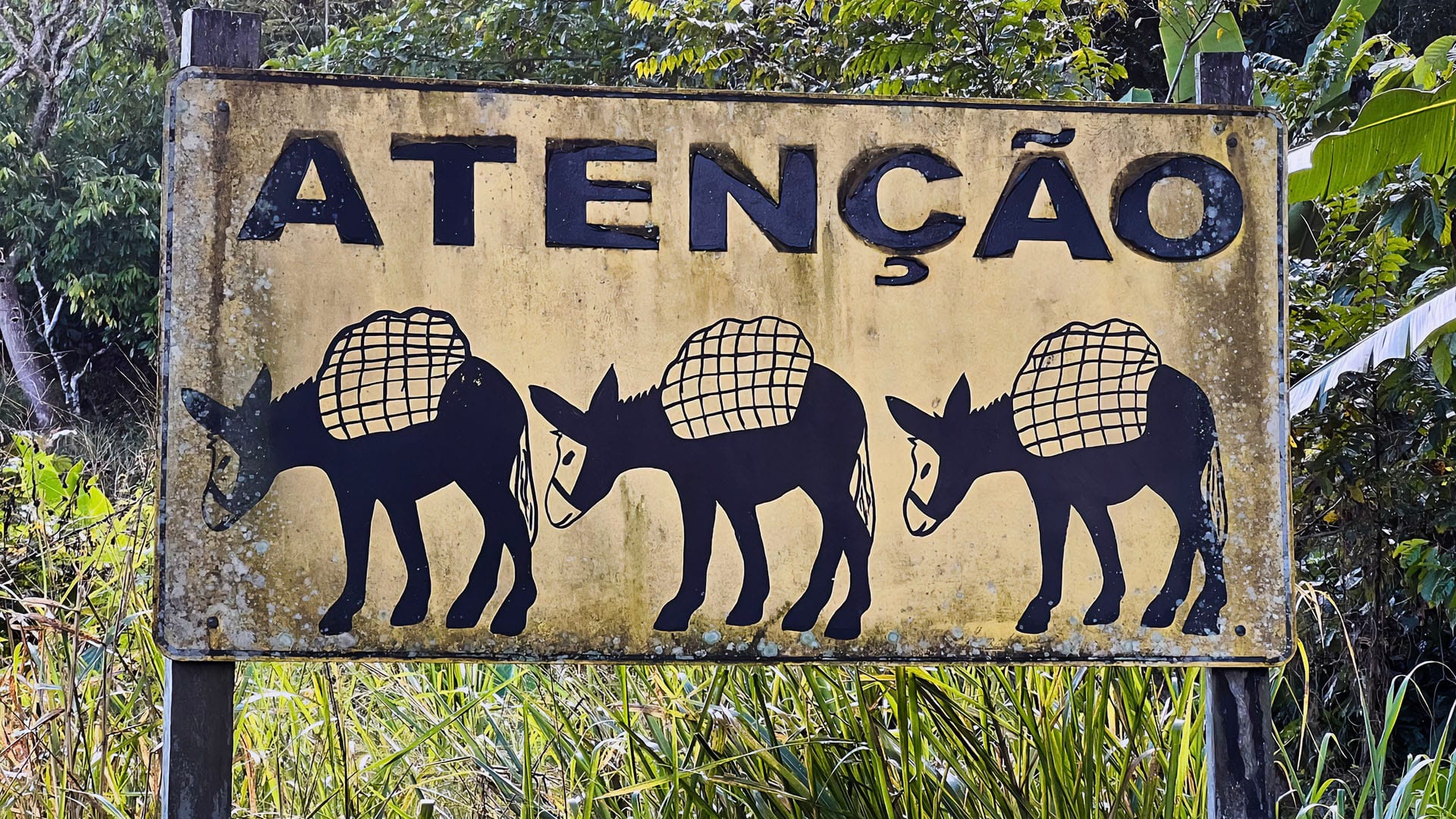
A road sign in Bahia, Brazil on my way to Fazenda Bonança, taken by me in 2022
SUMMARY of Part 2
TL;DR: In Part 2, I present reasons and methods for evaluating cocoa sourcing partners by clarifying your values, scrutinizing supply chains, and building a rigorous rubric that resists outsourced “ethical” claims.
Dependence and Supply Chains: Even direct‑trade makers rely on multinationals for logistics, documentation, and freight. Bean paths vary and can obscure provenance; smuggling and complexity increase risk.
Purity and “Contamination”: Apply consistent logic to claims (e.g., vegan sugar filtration). Corporate entanglements can shape perceptions: relationships like Tony’s–Callebaut, Blommer–Fuji, and TCHO–Glico raise questions about whether industrial ties affect ethical integrity.
Power and Parentage: Specialty distributors linked to multinationals (e.g., Cacao Latitudes to ECOM) may benefit from scale, privileged pricing, and processing access. Assess whether this disadvantages independent suppliers and whether parent performance inflates/deflates subsidiary reputations (and whether subsidiary performance inflates parent reputations).
Definitions and Frameworks: Distinguish morals (personal convictions) from ethics (systematized standards). Ground definitions of sustainability in the Brundtland formulation, recognizing practical measurement challenges.
Method: Build criteria tables for ethics, sustainability, transparency, traceability, independence, grievance mechanisms, and price reporting. Map peers and suppliers using their own language; rank comparably; review regularly.
Certification Caveat: The “certification industrial complex” serves to outsource ethics and enable greenwashing. Verify claims, trace benefits to farmers, and follow the money; opaque reporting is a red flag.
Takeaway: Ethical cocoa sourcing demands defining and testing your standards against real supply‑chain structures, not labels.
 Clay Gordon
A photo-illustration using stock elements.
SUMMARY of Part 3
TL;DR: In Part 3, I argue that evaluating cocoa suppliers requires clearly defined, consistently communicated values that can evolve with new evidence, and that meaningful ethical sourcing hinges on shifting power dynamics rather than relying on certifications alone.
Method and Framing: The post outlines an iterative, comparative rubric-building process across four constituencies: your company, customers, peers, and suppliers. The process emphasizes clarity, ranking criteria, and language precision to avoid mixed signals.
Rubric Development: Start by listing and ranking your criteria (e.g., transparency reports, gender equity, traceability, independence from multinationals, grievance mechanisms, price transparency). Map how peers address (the language they use) the same criteria to refine your positions and language. Apply the updated rubric to suppliers, documenting their stances in their own words and ranking comparability, optionally via pivot tables. Review the rubric regularly to adapt to market and policy changes.
Ethical Context: Ethical labels raise awareness but can commodify morality and leave structural power intact. Specialty chocolate’s values often remain entangled with multinational logistics and processing, blurring supply chain boundaries.
Technology Considerations: Technology must solve real problems without forcing dysfunctional process changes. Blockchain and traceability systems can contribute, but are not standalone solutions; implementations must support standards and reporting needs (e.g., ISO-34101, EUDR compliance).
Summary: The core imperative is to define, rank, and communicate your sourcing values, then evaluate peers and suppliers against them with rigor, transparency, and regular review to align operations with genuine ethical outcomes.
Note
Most of the companies mentioned in this post have been discussed on TheChocolateLife in prior posts and/or podcasts and in one or more of the first three installments in this series.
They are mentioned (and examined) here for the purpose of demonstrating some of the challenges facing bean buyers when performing due diligence assessments of supplier claims.
All opinions expressed here are based on publicly available information filtered through my twenty-plus years of experience in chocolate and cocoa, from the farm to the factory to the consumer’s mouth, working with some of the smallest makers and suppliers in the world to several of the largest.
Cacao Latitudes / ECOM

Question: What is the relationship between ECOM and Cacao Latitudes?
Question: Can Cacao Latitudes escape the reputation ECOM has? Does Cacao Latitudes, as a de facto subsidiary of ECOM, serve to greenwash ECOM’s reputation?
Question: How has Cacao Latitudes represented its relationship with ECOM in the past, and how is it represented today?
Cacao Latitudes Legal Registration


There is a link on this page to download recent financial reports.
Recent Changes to the Cacao Latitudes website
Our Story Then ...


... And Now

The FAQ Page Then ...


... And Now

The Our Team Page Then ...


... And Now


The Our Partners Page Then ...


... And Now

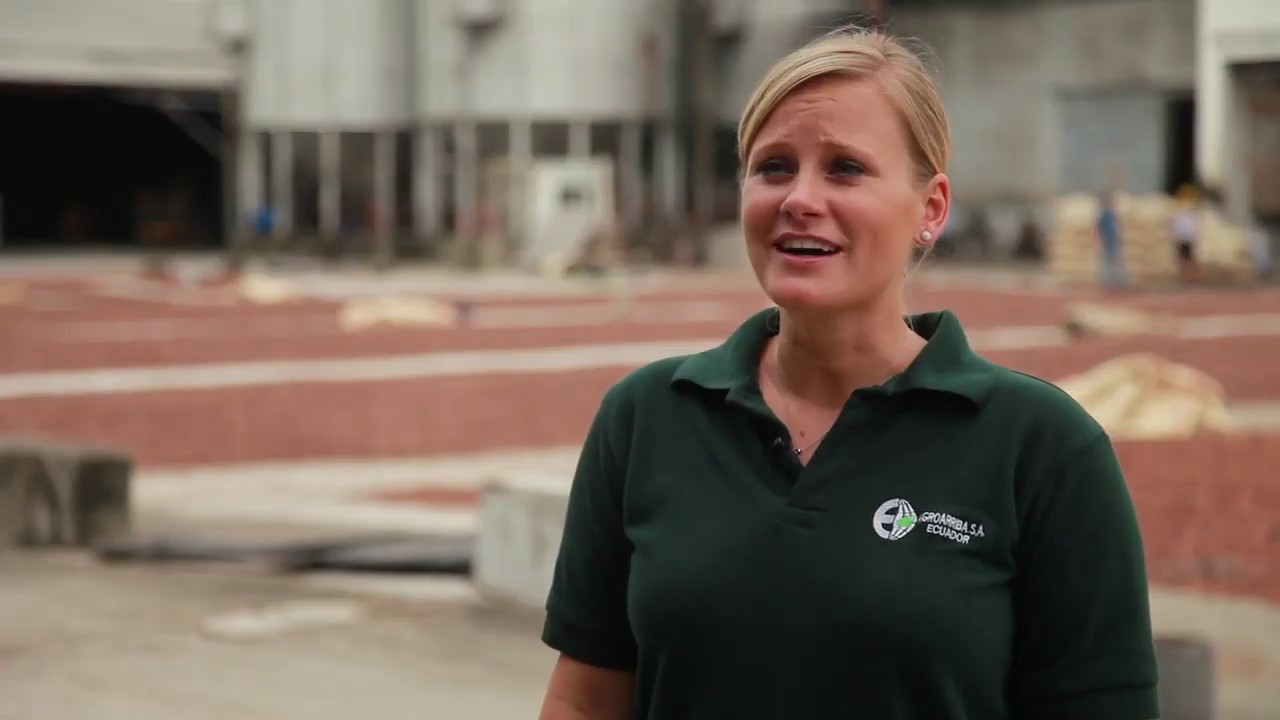
Video Support

How The 2025 Chocolate Scorecard Scores ECOM


ECOM page
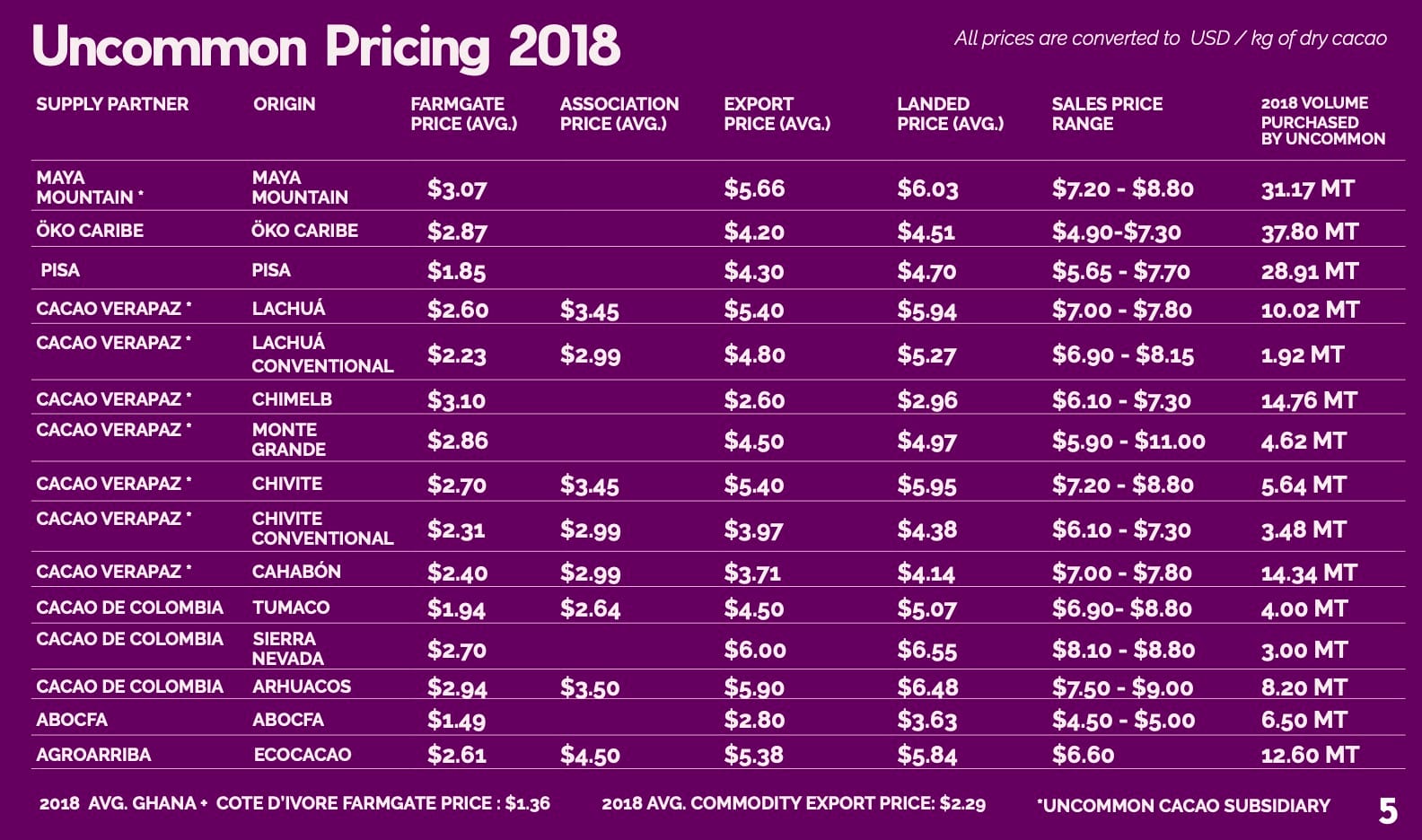
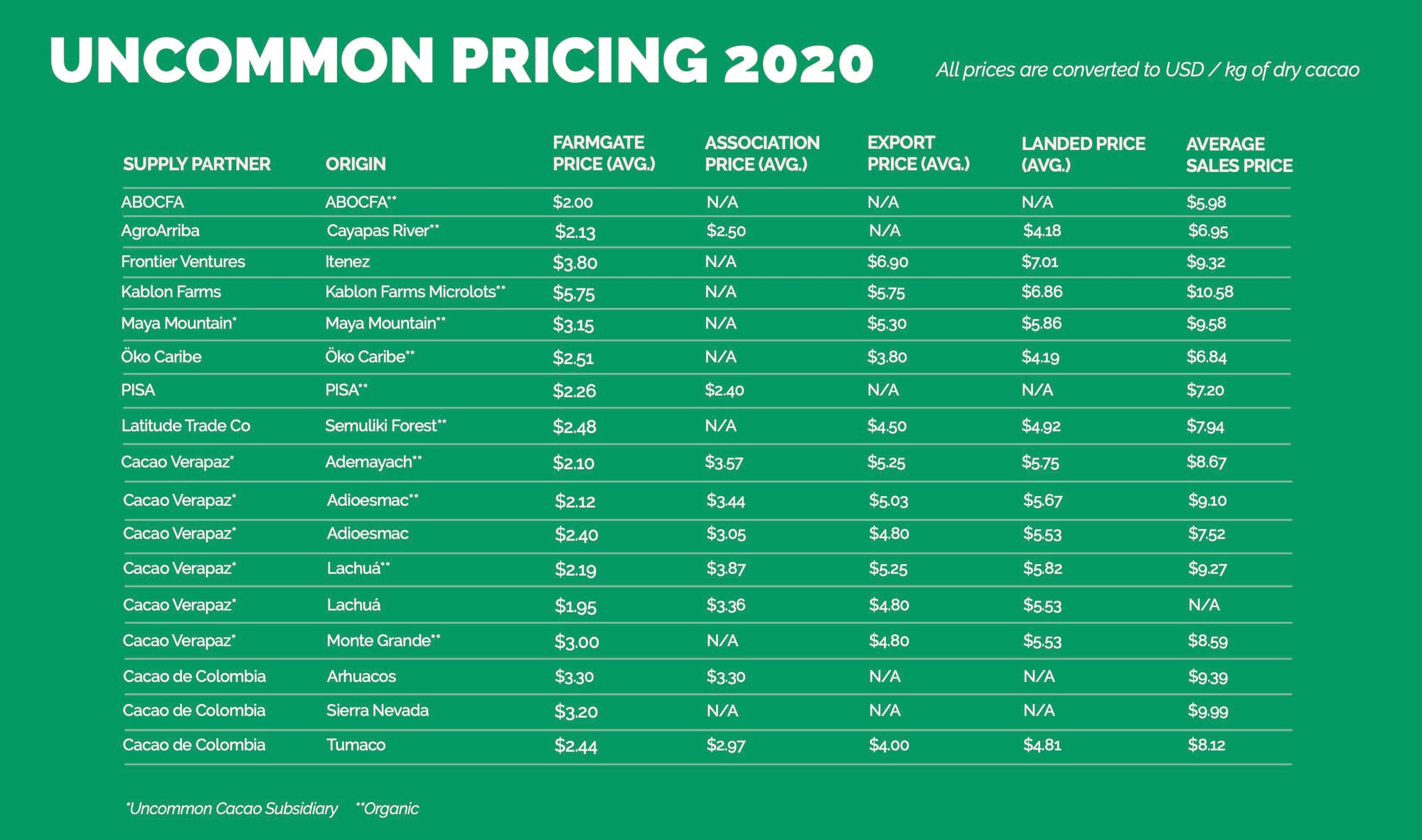
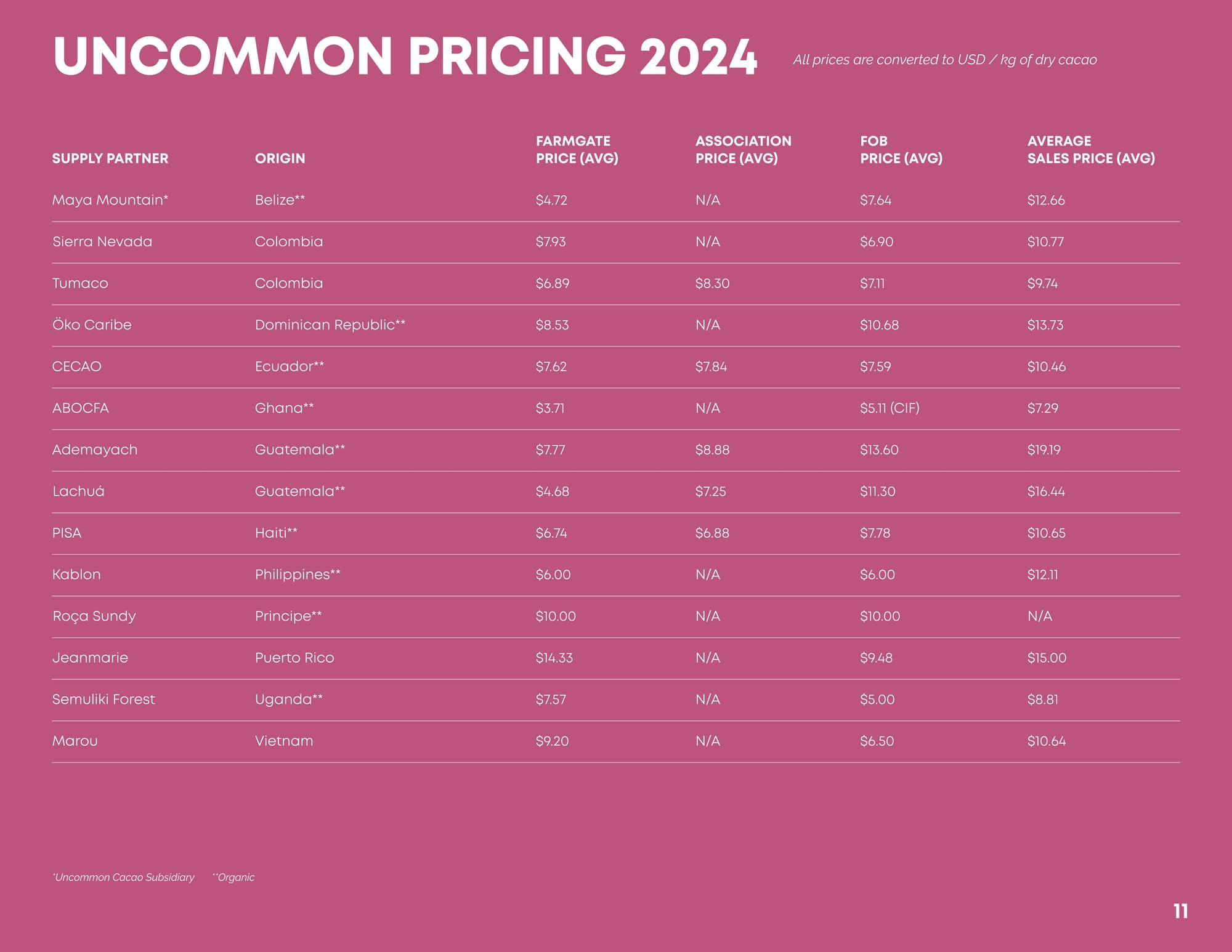
Uncommon Cacao


Daarnhouwer & Co BV
 Joost Fullstack
Meridian Cacao

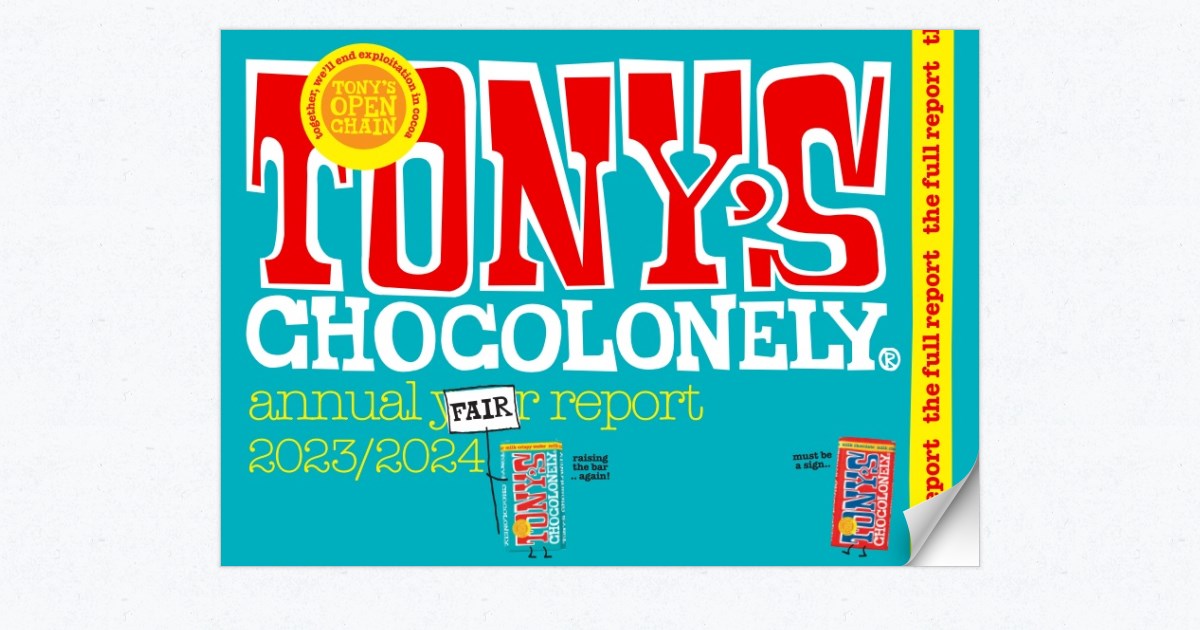
Tony’s Chocolonely / Tony’s Open Chain / Barry Callebaut

 Clay Gordon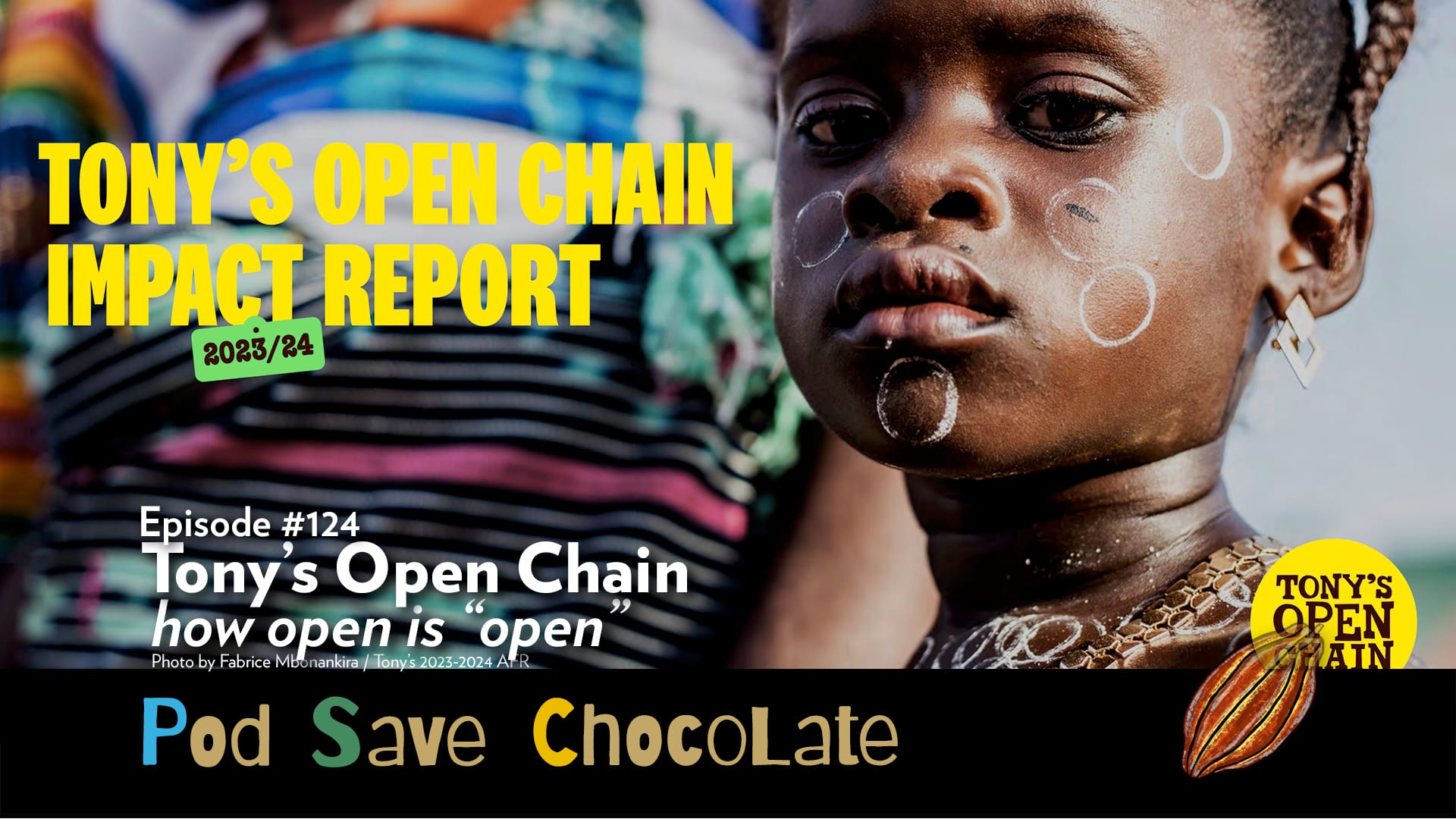
 Clay Gordon
The Chocolate Scorecard


One criticism of this scorecard is there is no PDF archive for every year the scorecard has been issued. This makes it IMPOSSIBLE to perform year-over-year analyses.
 Clay Gordon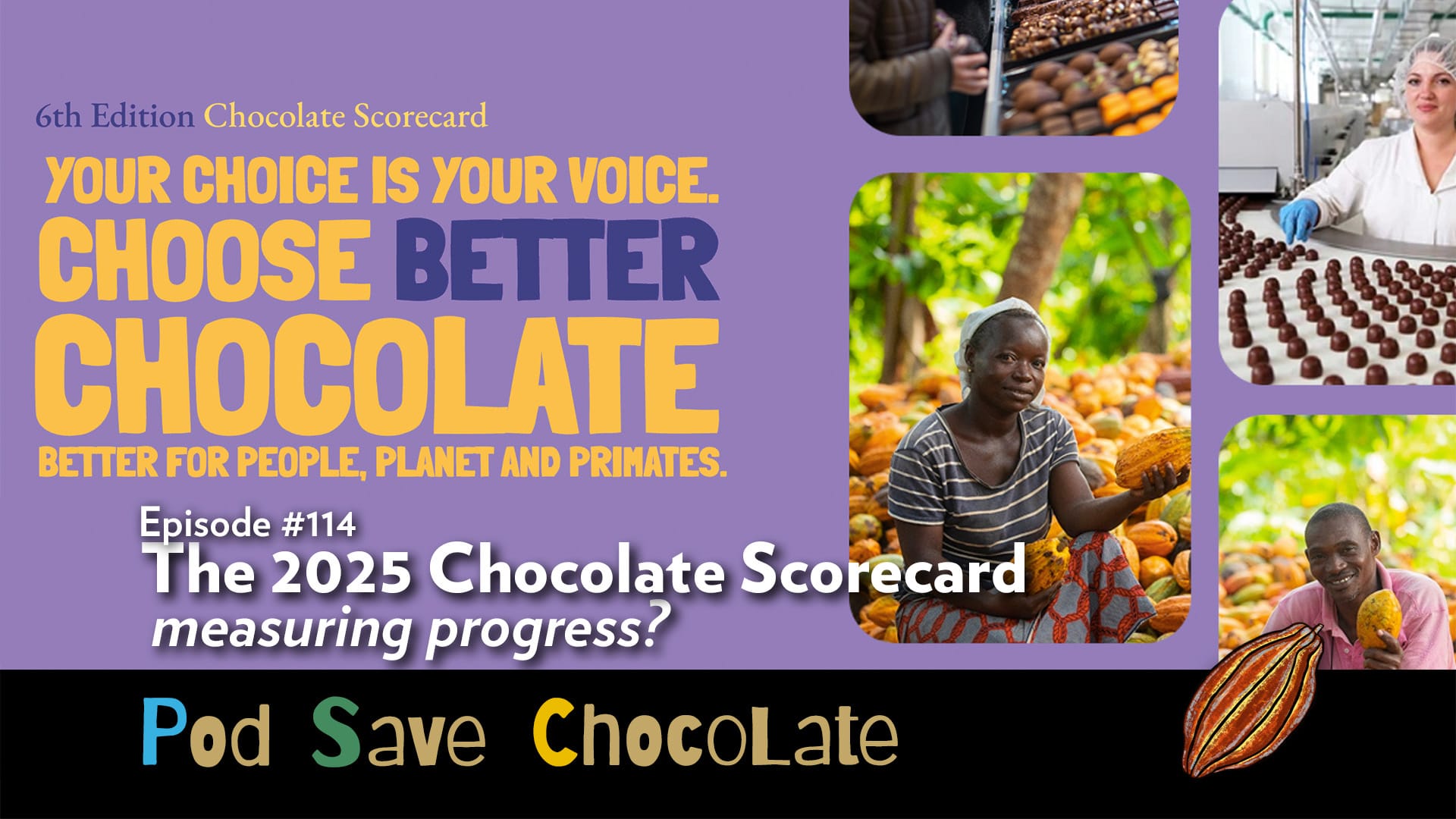
 Clay Gordon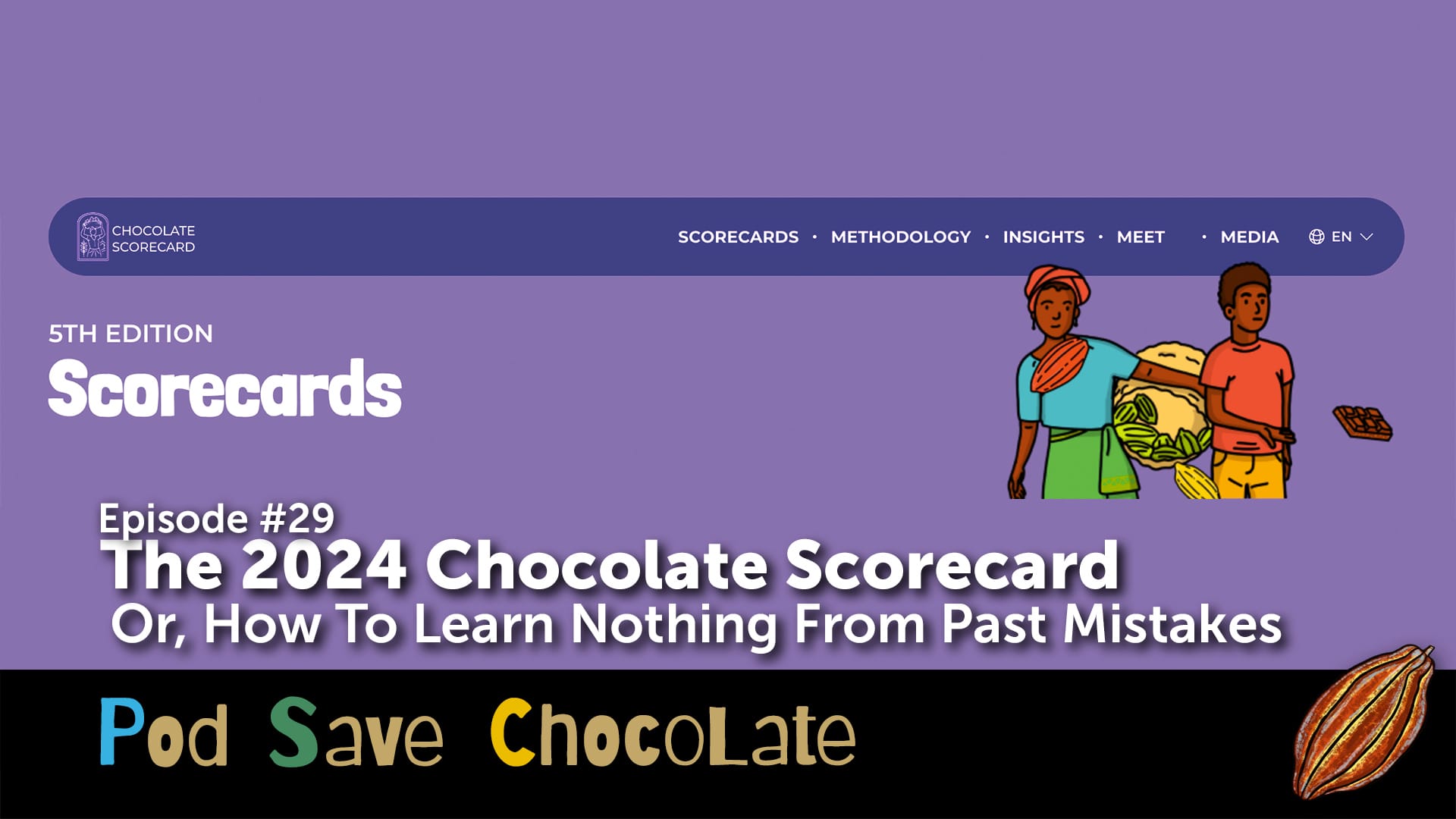
 Clay Gordon
 Clay Gordon
Why Does it Matter?
As a specialty chocolate maker, you want to align your ethical positions with your suppliers’. This helps ensure that you’re communicating your positions to your customers accurately.
Your customers’ trust you to be accurate and truthful and that trust is based, in very large part, on the trust you place in your suppliers to communicate accurately, fully, truthfully, and without obfuscating.
Think of this four-part series as a guide to helping you articulate your own positions clearly and concisely. You can then use that knowledge to examine how the claims and evidentiary materials your suppliers provide support for your claims.
Questions?
If you have questions or want to comment, you can do so during the episode or, if you are a ChocolateLife member, add them in the Comments below at any time.
Episode Hashtags and Socials
#cocoa #cacao #cacau
#chocolate #chocolat #craftchocolate
#PodSaveChoc #PSC
#LaVidaCocoa #TheChocolateLife
Future Episodes
Interview and Tasting with Tandy Peterson of Embers Chocolate.
#PodSaveChocolate and #TheChocolateLifeLIVE Archives
To read an archived post and find the links to watch archived episodes, click on one of the bookmark cards, below.
 Clay Gordon
 Clay Gordon


Audio-only podcasts
Become a Premium ChocolateLife Member!
| These offers are available to free members, so subscribe above then click one of the following links. | |
|---|---|
| Team TCL Member Monthly membership | First 2 months FREE (save $10/yr) |
| Team TCL Leader Monthly membership | First 2 months FREE (save $30/yr) |